Türkiye as a Study Destination
Türkiye is rarely the first country an international student considers, and that is largely a
matter of unfamiliarity rather than merit. The country hosts several universities that compete
credibly with Western European institutions, teaches a great deal of its curriculum in English,
and does so at a fraction of Western European or North American cost. For students who want a
strong degree without the debt that increasingly accompanies one, it deserves a serious look.
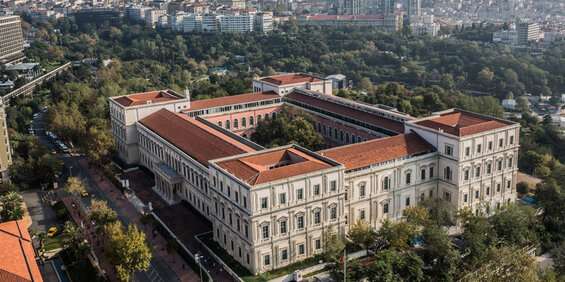
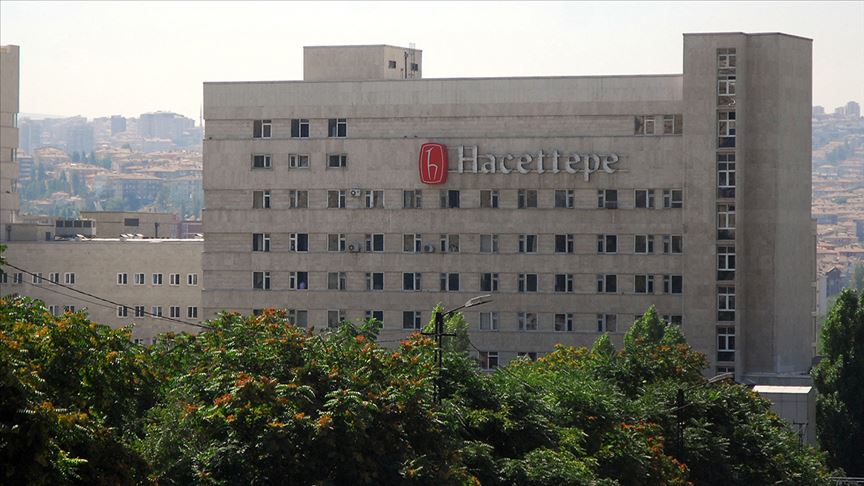
The leading institutions divide into two groups. The historic state universities — Boğaziçi in
İstanbul, Middle East Technical University in Ankara, İstanbul Technical University, Hacettepe and
Ege — are highly selective, English-medium in large part, and produce graduates who go on to
doctoral programmes worldwide. The private foundation universities — Koç, Sabancı, Bilkent, Özyeğin
and Bahçeşehir — are newer, smaller, generously funded, and built deliberately on the American
liberal arts and research model, with English as the language of instruction throughout.
How International Students Apply
Turkish school leavers compete for places through the national YKS examination. International
applicants do not. Instead you apply directly to each university, which assesses your secondary
school diploma and grades against its own criteria. Most leading universities accept SAT, ACT,
International Baccalaureate, A Level or Abitur results directly, and a strong SAT or IB score is
frequently the cleanest route into a competitive programme.
The alternative is the YÖS examination, set individually by each university, which tests
mathematics and abstract reasoning rather than knowledge of Turkish. A high YÖS result can secure
both admission and, at several institutions, a tuition scholarship. Which route serves you better
depends on your existing qualifications, and it is one of the first things we assess.
Scholarships Are the Real Story
Türkiye's foundation universities compete for strong students with unusually generous merit
scholarships — partial to full tuition, sometimes extended to accommodation and a monthly stipend.
Koç, Sabancı, Bilkent and Özyeğin all run substantial programmes, and a student with a high SAT or
IB score is in a strong negotiating position.
Separately, the government-funded Türkiye Bursları scheme covers tuition, accommodation, health
insurance, Turkish language training and a monthly stipend for international students admitted
through it. It is competitive and its application window is narrow, which makes early planning
essential rather than advisable.
Language, Recognition and Life
English-medium programmes require proof of English — usually an internal proficiency examination,
IELTS or TOEFL — and students who fall short spend a preparatory year improving it before starting
the degree. Turkish is not required for study at these institutions, though it transforms daily
life and internship access.
Türkiye participates in the Bologna Process and the European Higher Education Area, so degrees
carry ECTS credits and are recognised across Europe. Graduates of the leading universities move
routinely into master's and doctoral programmes in the United States and Europe, and Erasmus
exchange networks are extensive.
İstanbul offers the deepest internship and graduate market, particularly in finance, technology and
the creative industries; Ankara, İzmir and Eskişehir are considerably cheaper and, for many
students, easier places to concentrate.
To assess which Turkish universities fit your profile and which scholarships you are competitive
for, our advisors offer a free initial consultation. See our
study abroad consultancy services
or our United States and
United Kingdom pages for comparison.